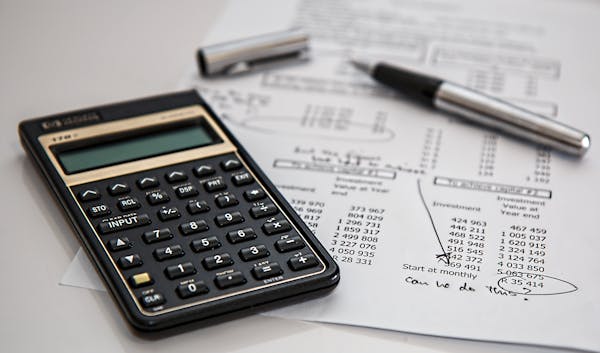

What's the best way to give your client the price of a project without complicating things? Create an organized business estimate. A good estimate highlights the services you'll provide, their price range, what's included, and other expectations from the start — which makes pricing conversations much easier.
For freelancers, consultants, contractors, agencies, and small business owners, the ability to create an estimate efficiently is a valuable skill. If you want to get an estimate created in no time, a business estimate generator helps organize everything into one clean document. When the project is done, our free PDF invoice generator turns the approved estimate into a ready-to-send invoice.
Many businesses also wonder, Is there a free invoice maker that supports estimates and quotes? It depends on the tool — some online platforms handle estimates, quotes, invoices, and PDF documents all in one place.
A clear estimate is the simplest way to present pricing. It's useful for anyone who quotes a project or service, and it saves time, improves communication, and looks more professional than a bare price tag.
What is a business estimate?
A business estimate is a document that reflects the projected cost of goods, services, work, or a project before the job is completed. It typically includes the proposed job description, quantities, costs, projected total, project terms, and more. A good estimate gives the client a clear idea of the projected cost before they approve the job.
An estimate is not an invoice. An estimate offers a projected price before approval; an invoice requests payment for goods and services already rendered. If you also need to generate invoices for your jobs, our online invoice tools are a good fit.
A good estimate answers:
- What am I paying for?
- How much is it going to cost?
- What is included?
- How long is this estimate good for?
- What if things change during the project?
Clear answers help the client make an informed decision.
What should a business estimate include?
A good estimate gives the client a clear picture of the work, its cost, duration, and conditions. A professional business estimate typically contains:
- Your business name and contact information
- Client or customer information
- A unique estimate number
- Estimate date
- Valid-until date
- Description of products or services
- Quantities and unit prices
- Estimated subtotal
- Applicable taxes or discounts
- Estimated total
- Project timeline
- Payment or deposit terms
- Included and excluded work
- Notes or special instructions
The list varies by project — a simple freelance job may need a couple of sections, while construction, consulting, or agency projects need more.
How can small businesses create professional estimates online?
How do you make a professional estimate without starting from a blank page? Use an online estimate template.
Enter your business and customer details first. Then add products or services, quantities, prices, taxes, discounts, and any extra notes. After verifying everything, download your estimate as a PDF. An electronic estimate is especially helpful when working with remote clients.
Step 1: Add your business details
Who should be credited at the top of the document? Include your:
- Business name and address
- Email and phone number
- Website link (if any)
- Business or Tax ID (wherever necessary)
- Logo
Present this information consistently across all documents. Adding your logo helps clients identify your business instantly.
Step 2: Add the client's information
Who is the estimate for? Provide the client's name, company, billing address, email, phone number, and project location where necessary. Verify this before sending — it will also matter when the estimate turns into an invoice.
Step 3: Give the estimate a unique number
A unique number helps identify the estimate and match it to the final invoice later. Sample: EST-2026-001. A consistent numbering system keeps records organized, especially when you're juggling multiple projects.
Step 4: Add the date and validity period
State the date of issue and the expiration date:
Estimated Date: September 5, 2026 | Valid Until: September 20, 2026
A clearly stated validity period helps when prices or project availability change, and it tells the client how long they have to approve the pricing.
Step 5: List products or services
Don't give a single final price. Break the work into clear line items.
| Service | Quantity | Unit Price | Estimated Price |
|---|---|---|---|
| Website Design | 1 | $800 | $800 |
| SEO Setup | 1 | $300 | $300 |
| Maintenance | 3 months | $200 | $600 |
| Estimated Subtotal | $1,700 |
An itemized estimate makes pricing clearer. The client sees the overall sum — and understands how each service influences the total. For a website, for example, you may list design, development, SEO configuration, content creation, and maintenance as separate items.
Step 6: Calculate taxes, discounts, and total
Give the client a way to check the price by listing all amounts clearly:
$1,700 − $100 + $160 = $1,760
The breakdown shows subtotal, discount, taxes, and estimated total, so the client better understands the projected project cost. Always double-check calculations before sending.
Step 7: Define the project scope
What does the client receive? Be specific about included and excluded tasks to avoid ambiguity and unnecessary additions. For a website project, for example, specify the number of pages, revisions, designs, and other covered elements. A defined scope makes the estimate more meaningful because the client can compare expected cost against the services provided.
Step 8: Add terms and conditions
What happens next? Elaborate on timelines, deposits, payment schedules, revisions, additional fees, cancellations, and scope changes. Keep it simple — clarify any information that could affect the final price. If additional work is requested, explain how it will be paid for before it's done.
Step 9: Add notes or payment instructions
Anything else? Add quick notes on approvals, deposits, or start dates. You can also include payment options, project specifics, deadlines, or client responsibilities. These small details make the estimate more effective and reduce follow-ups.
Step 10: Review before sending
Double-check everything: customer data, estimate ID, dates, prices, taxes, totals, scope of work, terms and conditions, payment instructions, and formatting. A short review prevents mistakes and pricing disputes. If you'll generate an invoice from this estimate, keep all information consistent.
What is the difference between an estimate, quote, and proposal?
Not the same, though the terms are sometimes used interchangeably.
- Estimate — an expected cost, adjustable as project requirements become clearer.
- Quote — a specified price for well-defined products or services, often with clauses or an expiration date.
- Proposal — a broader document covering the client's needs, proposed solutions, scope of work, deliverables, timeframe, price, and terms of business.
Definitions vary by industry — but your document should clearly state what kind it is. For more on how estimates compare with invoices, read Estimate vs Invoice.
Can a business estimate change after it is sent?
Yes. Changes can occur when project requirements, prices, or scope change. For example, the customer may request more pages, materials, or additional labor.
Instead of surprising the customer with extra charges, explain the situation and send a revised estimate or change order. That way, the customer knows exactly what the new cost of services will be.
How do you turn an estimate into an invoice?
After the customer accepts the work, review the estimate and prepare an invoice that accounts for any changes made during the process. You can typically carry over:
- Client information
- Line items
- Prices
- Taxes
- Discounts
- Totals
Always review before issuing the final invoice — quantities, additions or removals, prices, taxes, and discounts may have changed. Our invoice templates can help you get started.
Can a free invoice maker support estimates and quotes?
Some online invoice and document creators support multiple business documents in one place. Depending on the software, useful features include:
- Templates for estimates
- Pricing breakdown
- Calculation capabilities
- Tax and discount inputs
- PDF export capability
- Logos
- Repeatable customer data
- Conversion from estimate into invoice
- Document history
This is why many businesses ask, Is there a free invoice maker that supports estimates and quotes? When you regularly create both estimates and invoices, choosing software that handles both — plus a free PDF invoice generator — saves significant time. You can review available features on our features page.
Common mistakes to avoid
Why do estimates still cause problems? Usually because details are unclear. Avoid these mistakes:
- Providing the total price only, instead of a breakdown.
- Making the project scope ambiguous.
- Forgetting the validity period.
- Making calculation mistakes.
- Including vague additional costs.
- Treating an estimate as the final invoice.
- Not explaining what is excluded from the estimate.
- Sending an estimate without verifying the customer's data.
A quality estimate generator reduces manual work, but always review every document before sending.
How can small businesses create professional estimates online?
How do you create an estimate that looks professional without the effort? Use a proper template or online document generator, and follow these simple steps:
- Input information about your business.
- Input the customer's information.
- Generate a new estimate number.
- Specify items for your offer.
- Specify prices for each item.
- Calculate taxes and discounts.
- Specify the scope of work.
- Specify the project terms.
- Input notes.
- Check all data before submitting the document.
You can then save or download the estimate in PDF format. If your business uses other documents too, an invoice template may help as well.
The goal isn't just to make the document look nice — it's to make the scope, price, terms, and conditions easy to understand. That gives your customer confidence, prevents misunderstandings, and serves as a reference throughout the project, from first discussion to final billing.
Frequently Asked Questions
A business estimate is the estimation of costs for products, services, or projects before starting their performance.
It should include information about the business itself, the client, services provided, prices, taxes, schedule, terms, and the total estimate.
No. An estimate is a prediction of the expected price, and an invoice is a request for payment for performed work.
Yes. There are online estimate makers that help you put together services, prices, taxes, and other project information.
Yes. It might change when the scope of the project, prices, number of items, or other factors change.
Yes. After the client approves the estimate, you can prepare the invoice from that estimate.
Yes. You can use a PDF invoice creator to make your PDF invoice.
💡 Ready to create a professional estimate or invoice? Use our free online invoice generator — no signup required, unlimited documents, instant PDF download.